About me!
The Story Behind the Practice
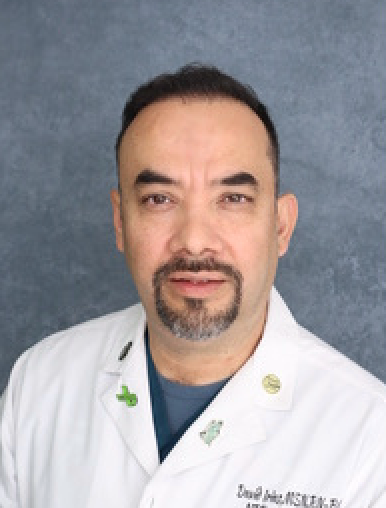
I’m a board-certified Psychiatric Mental Health Nurse Practitioner who believes that behind every diagnosis is a person carrying a story that deserves to be heard with compassion, not judgment. I work with adults navigating anxiety, depression, trauma, burnout, ADHD, financial stress, life transitions, and the quiet emotional weight that often builds over time. Many people I meet are doing their best to hold everything together for everyone else, while privately feeling overwhelmed, exhausted, disconnected, or unsure of how much longer they can keep going.
My approach to care is deeply personal because I understand that seeking help is not always easy. For many people, asking for support can bring fear, shame, uncertainty, or the belief that they should be able to handle it alone. I understand that experience firsthand, and it has shaped the way I practice—with empathy, humility, and genuine respect for the courage it takes to reach out. Sometimes the hardest step is simply allowing yourself to be helped.
I believe mental health treatment should never feel rushed, cold, or transactional. Healing takes time, trust, and a space where people feel safe enough to be honest. My goal is to create that space—where you feel seen, heard, and supported without pressure or judgment. I provide thoughtful psychiatric evaluations, responsible medication management, supportive therapy, and trauma-informed care through a collaborative, patient-centered approach.
I also believe in treating the whole person, not just the symptoms. Mental health is connected to so much more—your physical health, relationships, work, finances, purpose, and the stress life places on you. My philosophy is grounded in a holistic and integrative approach that looks beyond quick fixes. When appropriate, this may include EMDR-informed care, lifestyle changes, mindfulness practices, sleep support, stress management, and collaboration with trusted therapists and complementary and alternative medicine (CAM) practitioners who can support healing from different angles.
I value an integrated treatment plan where care is personalized and meaningful. Sometimes healing requires medication, sometimes deeper therapeutic work, and sometimes support from multiple professionals working together. I collaborate closely with therapists, primary care providers, trauma specialists, and other evidence-informed practitioners to help create a plan that feels right for you—not a one-size-fits-all approach.
As a veteran and healthcare professional, I value trust, accountability, and meaningful human connection. My mission is to build a practice where people feel safe enough to be vulnerable, supported enough to grow, and empowered enough to create lasting stability—not just temporary relief.
know that at Therapy & Mind, care is designed to be intentional, compassionate, and evidence-based—because your mental health deserves more than quick fixes. It deserves real attention, real partnership, and real healing.